Water-wise landscaping tips: Curating a beautiful yard in the dry Colorado climate
by Lori Symmes
We have seen beautiful images of lush gardens in the media, from century-old magazines to today’s social media influencers. They can be inspiring, but are they realistic?
Green grass like carpet, roses, hydrangeas and almost anything featured at the big-box- store garden centers are eye-catching, but not ideal for dry climates like the Front Range of Colorado. Annual precipitation in Loveland is 17 inches. That is midway between the precipitation of San Francisco and Los Angeles annually. Just as in California, water is a valuable, somewhat scarce commodity in Colorado. This year (2026) has seen well-below average precipitation in the mountains and the plains. There is a widespread expectation of water rationing.
The abundant sunshine makes this a place you can grow all-American favorites like lilacs, but many other popular plants can’t tolerate the cold dry winters. Most common garden plants require a great deal of water to survive the dry winds that often accompany the sunshine. I know people who have maintained a big, lush green lawn. It has taken around a million gallons of water per year. Now, they are removing some of the lawn and seeding the area in native grass. To encourage conservation, the local water supplier is providing a financial incentive to remove lawn and replace it with native plants and grasses.
All this being said, beautiful landscaping is still part of the curb appeal that can help sell your home. So, if you’re looking at improving your landscaping, what can you grow in Colorado without much water? Fortunately, there are great resources to help you find out.
Where can I find examples of water-wise plants for my Colorado yard?
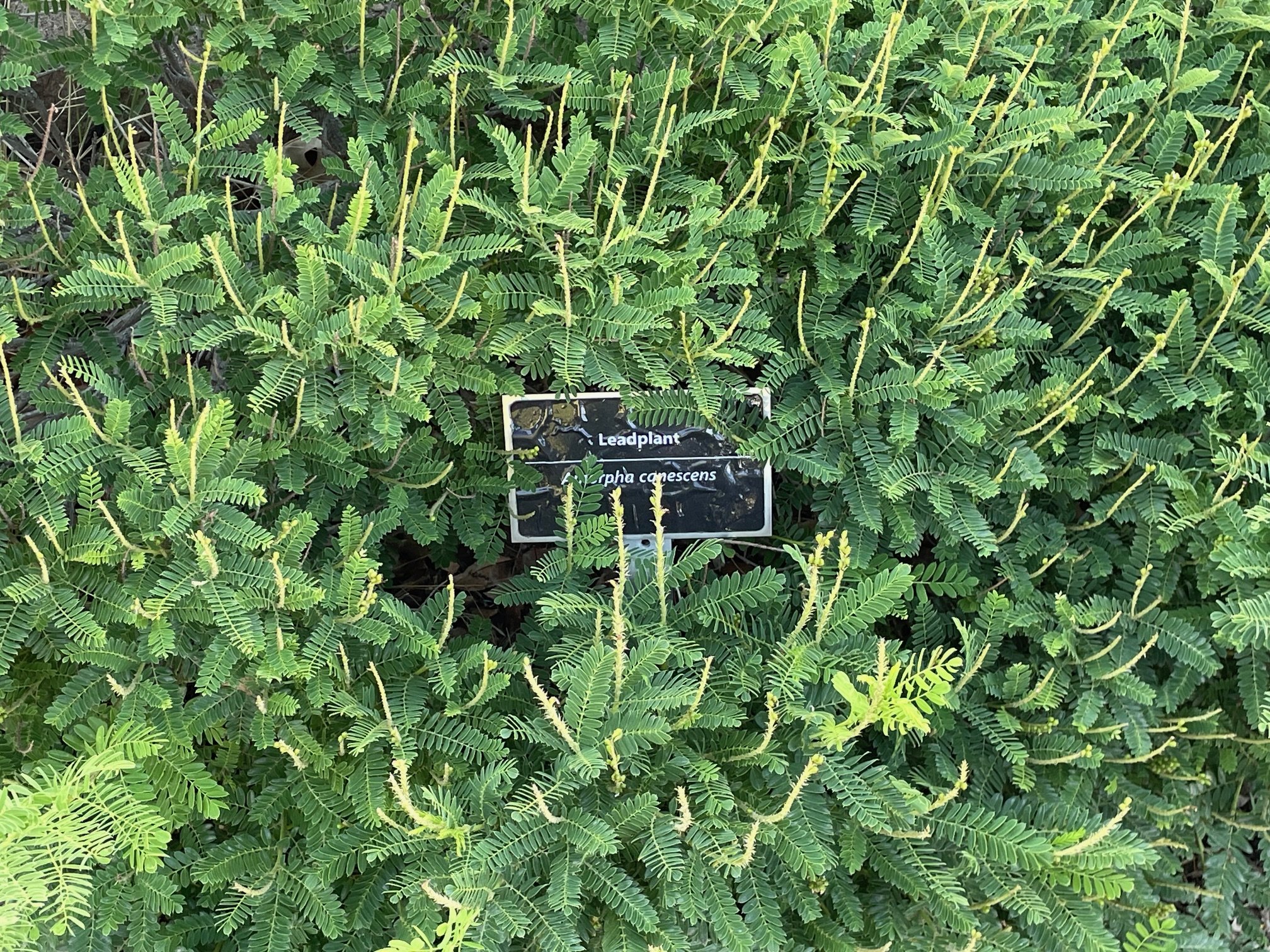
A Leadplant, one of my favorite Colorado plants, grows in the Northern Water Demonstration Garden in Berthoud, CO
Colorado State University Extension has a useful website that includes great fact sheets such as Xeriscaping: Trees and Shrubs. You can find them at www.ext.colostate.edu. Through the High Plains Environmental Center in Loveland you can get ideas of native drought-tolerant plants that grow in Colorado. They even grow some in their Native Plant Nursery.
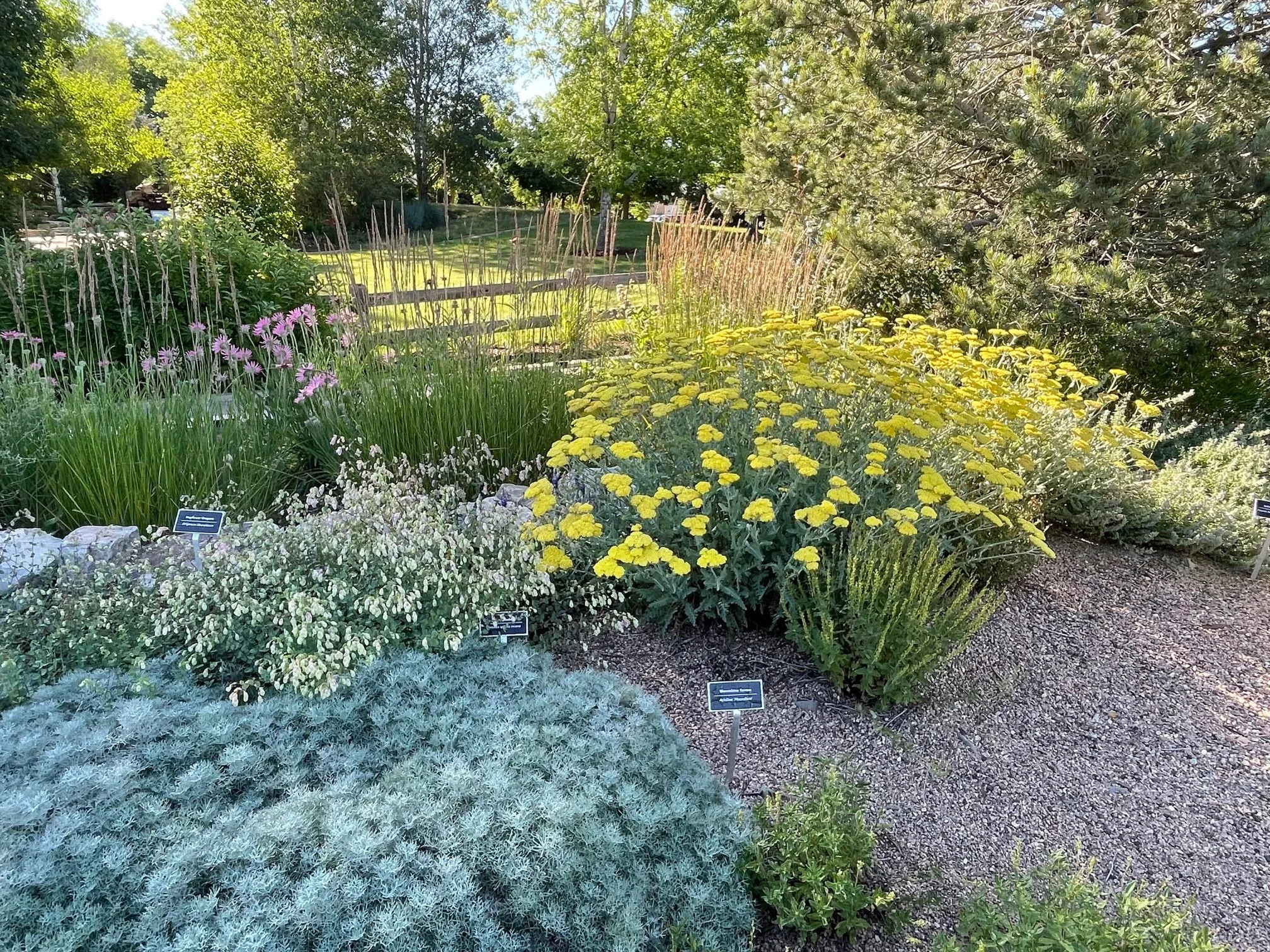
In Berthoud Colorado, the Northern Water Demonstration Garden is a fabulous resource. It is open year-round so you can see what their water-wise plants look like in every season. I have gone there for inspiration and ideas numerous times. Some of my favorite plants growing there are Leadplant, Fernbush and Cheyenne Mockorange. Some of the photos in this blog are ones I have taken at this garden! They also have trees, such as Kentucky Coffeetree and Hawthorne.
Some tips on planting in Colorado
Well-chosen trees can make gardens and yards feel more lush. In the Colorado winters, they will require water on occasion, especially when temperatures are above freezing. The biggest mistake people in Colorado make is in the way they plant trees. It is very common to see trees planted almost on top of the ground with little or no excavation and dirt piled around them. It appears that the tree is planted in a berm. The trees suffer for this. Their roots end up sitting on the ground without much ability to reach down into the ground to find water.
From my experience, I have learned it is more difficult to plant the trees in a way that gives them a chance to thrive, but it’s worth doing. To give them their best chance, dig a hole slightly larger than the tree’s root ball. If the roots are wrapped in burlap or something like that, you will want to either remove the wrapping or cut most of it away. The hole should be partially filled with water before the tree goes in. Place the tree in the hole and pack dirt around the roots. The area right around the tree should be nearly flat once you have the dirt packed in well. Ideally, in a couple of weeks, there will be a slight depression around the tree base. This allows water to gather there from any rain or snowmelt.
Gardening in Colorado, as with many dry climates, requires a different set of expectations and practices, but it can be rewarding and beautiful.